Made in Europe: The Craftsmanship You Can’t Fake
The Quiet Power of European-Made Products
- Walk into any fast-fashion store and you’ll smell it before you see it: the faint scent of plastic mixed with disappointment. It’s the aroma of a garment that travelled halfway around the world, met a sewing machine for all of three minutes, and will probably unravel after its first encounter with a washing machine.
- Now, walk into a small workshop in Portugal, a linen studio in Lithuania, or a leather atelier in Florence, and it’s another world entirely. Here, fabric isn’t just “made” — it’s raised, grown, woven, cut, and coaxed into something that could last a decade (or more, if your cat doesn’t get to it first).
The Quiet Power of European-Made Products
This is the world of European craftsmanship — from the sunny olive fields of Spain to the cool pine forests of the Baltics — and it’s a story worth telling.
You don’t buy European-made clothing and accessories because they’re the cheapest. You buy them because they aren’t.
👜 Leather: Not All Hides Are Created Equal
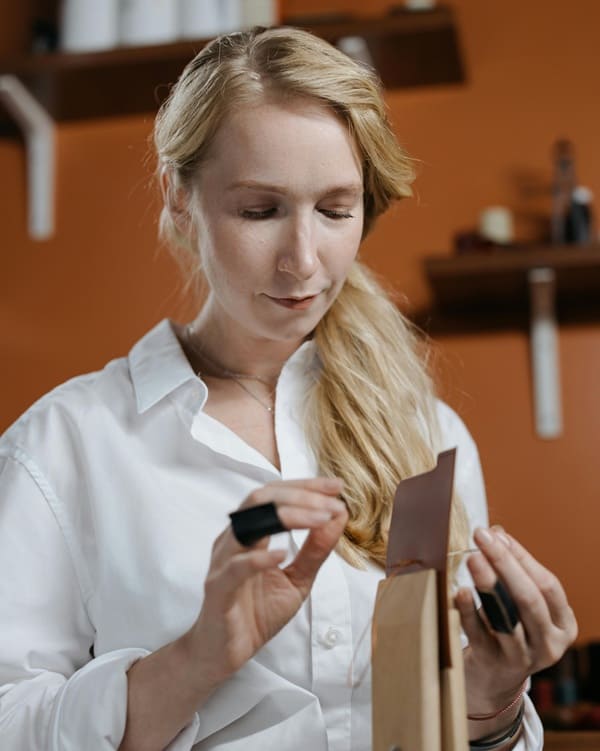
In Italy’s Tuscany region, leatherwork is practically a religion. The tanneries in Santa Croce have been passing down secrets for generations — the kind of secrets that involve natural vegetable tanning, hand-burnishing, and the occasional heated debate over espresso.
Travel east to Poland, and you’ll find sturdy saddlery and boots made to outlast the horse they were designed for. In Estonia, artisans turn leather into intricate bags with hand-cut patterns that would make a laser cutter blush.
Why it’s valuable:
European leather is often full-grain, meaning it hasn’t been sanded to hide imperfections. It’s stronger, breathes better, and ages into that “vintage chic” look you can’t fake.
🌼 Linen: The Baltic Gold
France gets the fame for its fine linen, but let’s be honest — Lithuania and Latvia are the quiet powerhouses of linen production. The climate there is perfect for flax: cool, damp summers that make the fibres strong and silky.
Walk into a Lithuanian workshop and you’ll see women weaving linen on wooden looms, producing tablecloths, dresses, and bedding that look delicate but could probably survive the apocalypse.
Why it’s valuable:
Linen is naturally antibacterial, cool in summer, warm in winter, and gets softer the more you use it. Unlike polyester, it won’t make you feel like you’re wrapped in clingfilm on a hot day.
🐑 Wool: From the Highlands to the Carpathians
From the Scottish Highlands to Romania’s Carpathian Mountains, wool is woven into Europe’s cultural DNA. In Ireland, tweed jackets tell stories of rainy days and stubborn sheep. In Bulgaria, shepherds still shear by hand before the wool is carded and dyed using plant-based pigments.
In the Baltics, you’ll find chunky, rustic knits that are less “fashion accessory” and more “personal central heating system”.
Why it’s valuable:
Wool is biodegradable, breathable, and naturally odour-resistant (handy for long winters or long commutes). European mills often use traditional spinning techniques that preserve fibre strength.
☁️ Organic Cotton: A Modern Movement
Cotton isn’t native to Europe, but the continent’s role in organic cotton fashion is growing fast. Portugal, Turkey, and Greece have become leaders in producing GOTS-certified organic cotton garments, especially in small batches.
Here, organic cotton isn’t just a marketing term — it means no harmful pesticides, fair wages for farmers, and fabrics that feel like they belong in a luxury spa.
Why It’s Not Just Western Europe’s Game
When people hear “European fashion”, they picture Paris runways and Milan showrooms. But Eastern Europe and the Baltic States are quietly redefining the term.
Estonia’s fashion scene blends tech and tradition (think laser-cut leather meets hand embroidery).
Croatia and Serbia have shoemakers whose craftsmanship could rival Italy’s.
Linen products in Lithuania and Latvia are deeply rooted in traditional lifestyles, known for their high quality and naturalness, growing in global appreciation. Similarly, Estonian leather goods reflect strong craftsmanship, traditional handwork, and durability, representing an important part of their cultural heritage.
Buying Made in Europe: An Investment in More Than Clothes
Buying Made in Europe: An Investment in More Than Clothes
Choosing Made in Europe is more than a purchase. It’s a quiet rebellion against throwaway fashion – and a conscious step towards a future where style and ethics walk hand in hand. When you choose Made in Europe, you’re not just buying an outfit – you’re embracing values, history, and craftsmanship that go far beyond the fabric.
- Longevity – Garments made with care last for years, not seasons. They age beautifully, becoming part of your story, not landfill statistics.
- Fairness – Behind every piece is a person working in safe conditions, earning a fair wage, and creating with pride – not at the expense of dignity or childhood.
- Character – Each cut, weave, and stitch carries a little piece of its maker’s soul, infused with traditions passed down through generations. No factory line can replicate that heartbeat.
- Sustainability – Local sourcing, smaller production runs, and stricter environmental standards mean fewer miles travelled and less harm to our planet.
- Cultural Heritage – From the cobbled streets of Italy to the wind-swept Baltics, your garment is a living thread in Europe’s rich tapestry of design, art, and history.